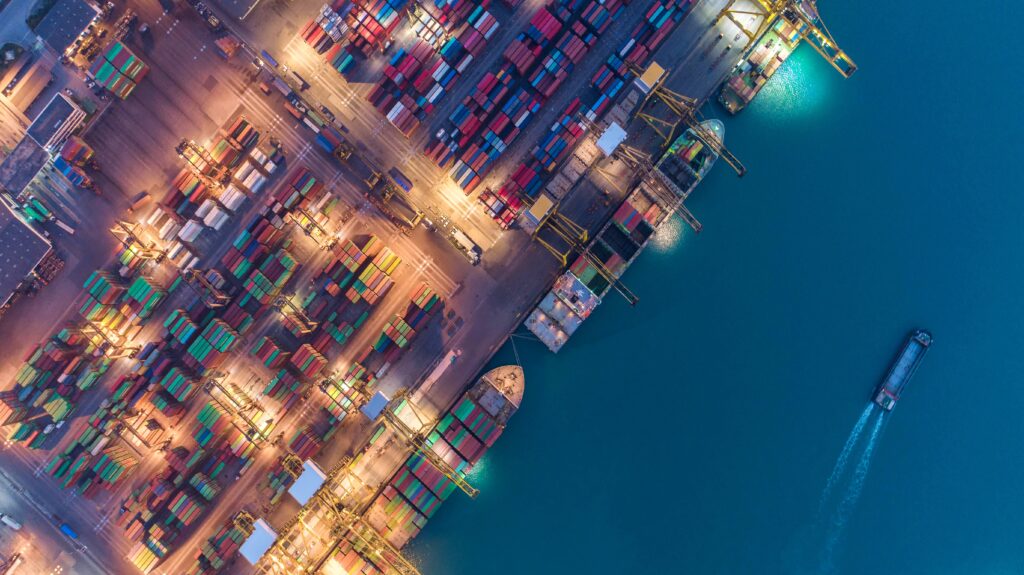
CBAM, or the Carbon Border Adjustment Mechanism, stands as a pioneering initiative by the EU, marking the inception of the world’s first carbon border tax. The fundamental objective behind CBAM is to combat ‘carbon leakage’—the phenomenon where companies relocate production to nations with lower emissions standards, contributing to a net increase in emissions globally.
Kicked off on 1 October 2023, the first phase of CBAM is a trial period spanning three years. It primarily targets high-emission sectors such as cement, fertilizers, iron and steel, aluminium, hydrogen, and electricity. The subsequent phases, set to unfold gradually, will broaden CBAM’s scope to encompass more sectors, culminating in full enforcement from 1 January 2026, when the carbon price will be applied.
What is Carbon Price?
A Carbon Price is a charge on carbon emissions, usually levied on the carbon content of goods or services. By applying a cost that increases over time, carbon prices incentivise cleaner means of producing things or reduce demand for high-carbon goods and services by increasing prices. A carbon price aims to drive carbon emissions reductions by ensuring that polluters pay for their emissions.
What will you need to do?
As of October 1, 2023, CBAM stepped into its transitional phase, with importers concluding their inaugural reporting period by January 31, 2024.
From October 1, 2023, to December 31, 2025, companies engaged in importing goods into the EU will undergo a crucial phase of adaptation. During this period, they are required to furnish quarterly reports detailing the total volume of imported products and the associated quantity of emissions for each item. This encompasses both direct and indirect emissions. Notably, there is no immediate obligation to procure carbon allowances during this preliminary stage.
What is carbon allowance?
The carbon allowance refers to a limited amount of carbon dioxide (CO2) emissions that a company, organisation, or entity is permitted to emit into the atmosphere within a specific timeframe. They serve as a mechanism to incentivize emission reductions and encourage the transition to cleaner energy sources and more sustainable practices. Companies that emit less than their allocated allowance may sell their excess allowances to those exceeding their limits, creating a market for carbon credits.
Come January 1, 2026, a pivotal shift occurs. Affected companies must acquire CBAM certificates equivalent to the “embedded” emissions in their imports. Importers can potentially mitigate this tariff if they can substantiate the payment of a carbon price during the production phase, thereby avoiding double taxation.
The implications are multifaceted:
Collaboration with Suppliers: Importing companies must collaborate closely with their suppliers to collect pertinent data. This involves seeking information on upstream emissions or the carbon footprints of each product or material.
Financial Risk Assessment: Companies importing into the EU must diligently quantify the financial risks associated with CBAM and assess the impact of importation. This necessitates a thorough evaluation of the advantages and disadvantages of production locations.
Exploring Supplier Options: Importers need to weigh the pros and cons of opting for low-emission suppliers outside the EU or potentially considering the relocation of manufacturing within the EU.
Responsibility of Suppliers: Suppliers providing raw materials or goods to the EU are tasked with providing emissions data or carbon footprints for their products.
As the CBAM landscape unfolds, proactive engagement and strategic decision-making will be key for companies navigating this transformative phase in carbon regulation.
Impact on the market?
The advent of the Carbon Border Adjustment Mechanism (CBAM) heralds a transformative era, reshaping dynamics across multiple fronts. At the forefront of these shifts is the palpable reality of elevated prices for European consumers. This stems not only from the increased cost of imports but also from the gradual reduction in free allowances allocated to several domestic sectors. The phased implementation of CBAM, spanning from 2026 to 2034, ensures a gradual but discernible impact.
Reporting obligations under CBAM act as an additional cost driver, with these expenditures likely trickling down to consumers. The nuanced risk of carbon leakage looms over this landscape, contingent on how extensively CBAM reaches downstream. The regulatory framework attempts to address this by extending its coverage deep into the steel value chain, encompassing even minutiae like screws, bolts, and nuts.
Trade dynamics are poised for notable shifts. Export competitiveness of European downstream sectors may be curtailed as free allowances are phased out. A potential mitigation measure could be the introduction of rebates equivalent to the carbon price on export volumes, aligning with the EU’s decarbonization goals. However, the likelihood of such a measure remains uncertain.
Import dynamics face significant alterations as well. The extent of impact hinges on the carbon intensity of third-country producers and the presence of meaningful carbon pricing mechanisms in these nations. Suppliers with carbon intensity akin to EU counterparts might weather the storm with minimal competitiveness impact.
UK to launch carbon border adjustment mechanism from 2027
The UK is set to enact its carbon border adjustment mechanism (CBAM) by 2027, imposing a carbon charge on imports of iron, steel, aluminium, ceramics, and cement into the UK. This move follows the European Union’s establishment of its CBAM, with the UK’s implementation scheduled one year after the EU’s.
The UK government’s recent decision to implement its Carbon Border Adjustment Mechanism (CBAM) by 2027 is a strategic move aimed at bolstering the nation’s decarbonization initiatives. In alignment with the EU’s CBAM regulations, which mandate the purchase of CBAM certificates from 2026, the UK’s CBAM seeks to synchronize efforts for a coherent approach.
Industry observers, including the steel trade body UK Steel, suggest that the UK CBAM has the potential to establish a balanced playing field for carbon pricing. However, they emphasize the importance of aligning the timeline with the EU’s to maximize effectiveness.
“By confirming a CBAM from 2027 instead of matching the EU’s 2026 timeline, the Government risks high-emission steel being dumped in the UK from 2026 when the EU CBAM takes effect,” said UK Steel Dec.18.
The levy imposed by the UK CBAM will be contingent on the volume of carbon emissions during the manufacturing of the product and the variance between the carbon price enforced in the country of origin, if applicable, and the carbon price confronted by UK producers.
Further deliberations in 2024 will determine the detailed aspects of CBAM, encompassing the specific catalogue of products under consideration. Simultaneously, the UK aims to institute a framework for gauging the carbon emission footprint of commodities.
The CBAM is designed to collaborate with the UK Emissions Trading Scheme, ensuring a counteraction against the risk of carbon leakage.
What does this mean for the steel industry?
The existing schedule raises concerns that high-emission steel, currently destined for the EU, might be redirected to the UK, potentially exerting price pressure on domestic steel in the UK. This shift is anticipated to coincide with the conclusion of steel safeguard quotas on imports in 2026, exposing the UK steel industry to potential spikes in incoming shipments, as highlighted by UK Steel.
Impact on the Fencing Sector, fabricators and Steel Stock Holders: Charting New Territories
The advent of the Carbon Border Adjustment Mechanism (CBAM) marks a pivotal juncture for industries along the steel value chain, ushering in both challenges and opportunities. As CBAM gradually reduces free allowances allocated to domestic sectors from 2026 to 2034, European consumers are poised to face increased prices, driven by higher import costs. This landscape holds unique considerations for steel fabricators, steel stockholders, and fencing system manufacturers.
Steel Fabricators:
For steel fabricators, the risk of carbon leakage is intricately tied to the reach of CBAM downstream. The regulation extends deep into the steel value chain, encompassing components such as screws, bolts, and nuts. This expansive coverage could reshape the dynamics of steel fabrication, necessitating a strategic re-evaluation of supply chains and production processes. Trade dynamics, both in exports and imports, are set for significant shifts.
Steel Stockholders:
Steel stockholders face the ripple effects of CBAM-induced shifts in trade dynamics and pricing. As import costs rise and free allowances gradually diminish, the landscape for steel procurement transforms. The adaptability of steel stockholders to the changing cost structures and supply chain considerations will be crucial. Strategic sourcing and an in-depth understanding of CBAM implications on steel prices will be key factors influencing the competitiveness of steel stockholders in the evolving market.
Fencing System Manufacturers:
Fencing system manufacturers operate at the intersection of steel fabrication and construction. The implications of CBAM reverberate through this sector, introducing considerations related to the cost and availability of steel. As consumer prices rise, fencing system manufacturers need to strategically position themselves in a market with shifting dynamics. Collaboration with suppliers becomes vital, not only for ensuring the availability of materials but also for navigating the intricacies of emissions data collection.
In essence, the CBAM era challenges steel fabricators, steel stockholders, and fencing system manufacturers to be proactive, resilient, and adaptable. Navigating this new regulatory terrain requires a strategic lens to ensure these industries thrive amid the evolving landscape of carbon regulation.
Birds Royd Lane
Brighouse
West Yorkshire
United Kingdom
HD6 1LT

Privacy & Cookie Policy